

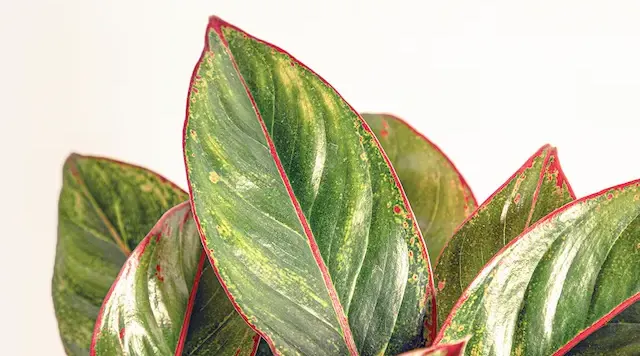

Black Cardinal is an attractive and popular species of the Araceae family, known for its large, dark leaves. The leaves of this plant are dark red to blackish brown, which add a special beauty to the interior. This plant originally comes from the tropical regions of South America.
Regular pruning is not necessary, but you can remove damaged or discolored leaves if needed. Repot your black cardinal every 1-2 years in the spring, using a slightly larger container with fresh potting mix to make room for growth.
Use a well-draining potting mix designed for houseplants or a mixture of peat moss, perlite and bark chips. Philodendrons enjoy regular fertilization throughout the growing season (spring through fall) with a balanced, water-soluble fertilizer.

Black Cardinal grows best when the soil is consistently moist, but not waterlogged. Overwatering can lead to root rot, so it’s important to ensure proper drainage in the pot.

This stunning philodendron species prefers bright, indirect light for optimal growth and vibrant foliage color. Avoid low light conditions, as this can cause the leaves to lose their rich, dark color.


Height: Philodendron black cardinal can grow up to 60 to 90 cm high in the right conditions.
Width: This plant usually reaches a width of about 60 to 75 cm.
Growth rate: Philodendron black cardinal grows relatively slowly. This plant spends most of its energy in producing new leaves and maintaining the health and beauty of existing leaves.

The black cardinal likes warm temperatures between 65°F and 80°F (18°C to 27°C).

