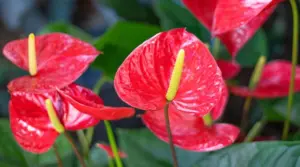


Delta, also known as “delta plant” or “triangle plant”, is a unique species in the Moraceae family. This plant is native to the tropical regions of Southeast Asia, especially Malaysia, Indonesia and Thailand. Its name is due to the shape of its leaves, which is similar to a triangle (delta).
Moderate moisture: The soil should be kept moist, but not too wet. Let the soil surface dry a little between two waterings
Regular watering: it needs more water in warmer seasons (spring and summer), while it needs less water in colder seasons (autumn and winter).

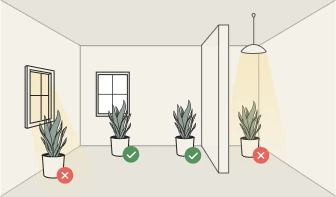
Indirect light: Delta needs indirect and moderate light. Avoid placing the plant in direct sunlight, as it may burn the leaves.
Artificial light: If sufficient natural light is not available, you can use artificial lights such as fluorescent lamps.

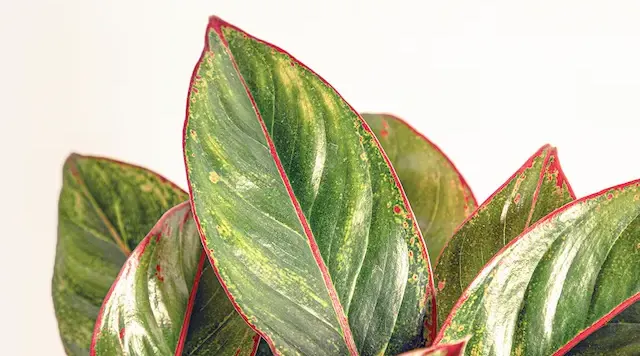
Leaves: Delta leaves are triangular or delta shaped and reach a length of 2.5 to 8 cm. The surface of the leaves is smooth and shiny, and their color is usually dark green with yellow or white streaks on the back of the leaves.
Size: This plant grows as a bush or shrub and can grow up to 1.2 meters in height.
Stem: Stems are thin and flexible and may branch or spread horizontally over time.

The effect of low temperatures: temperatures below 15°C can cause brown spots on the leaves and reduce plant growth.
Protection against cold: In cold seasons, keep the plant away from cold windows and doors and use artificial heat sources to maintain temperature.
Increase humidity: In dry seasons or in areas with low humidity, you can provide the necessary humidity by misting the leaves or using a humidifier.
Placing the plant in the bathroom or kitchen: These plants grow well in environments with high humidity such as the bathroom or kitchen.

