

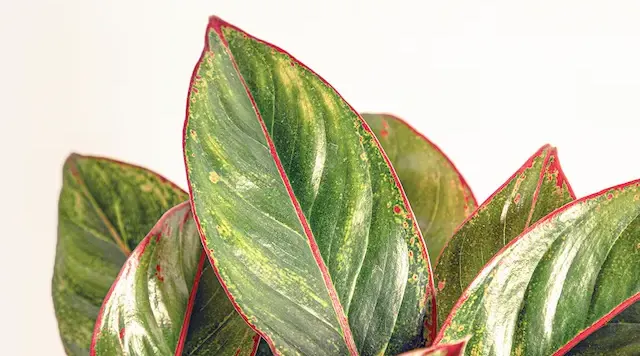

Black, also known as the ‘Black Knight’ rubber plant, is a stunning cultivar of the Ficus Elastica species. This houseplant has prominent, glossy dark green leaves that appear almost black, giving it its distinctive name. The contrast between the dark green foliage and the vibrant red growth tips creates a striking visual appeal that rivals any flower.
Watch out for common problems like leaf drop, which can be caused by sudden environmental changes, flooding, or low humidity. Pests such as spider mites, mealybugs and scale insects may also affect this plant.
This plant needs evenly moist but well-drained soil. When the topsoil is dry, water it thoroughly and allow the excess soil to drain. Avoid overwatering or drying the soil completely. A well-drained potting mix with perlite, peat moss is ideal.

Ficus Black grows in bright and indirect light. While it can tolerate less light conditions, it prefers a place near a sunny window, but direct sunlight can damage the plant in the long run and burn its leaves.


Feed ficus black with a balanced liquid fertilizer every 4 to 6 weeks during the growing season (spring and summer). Prune stems to maintain desired shape and enhance shine.

Black ficus grows in a warm environment with bright, indirect sunlight or partial shade. It prefers temperatures between 65°F and 80°F (18–27°C) and requires humidity above 40%.

