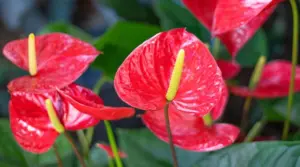
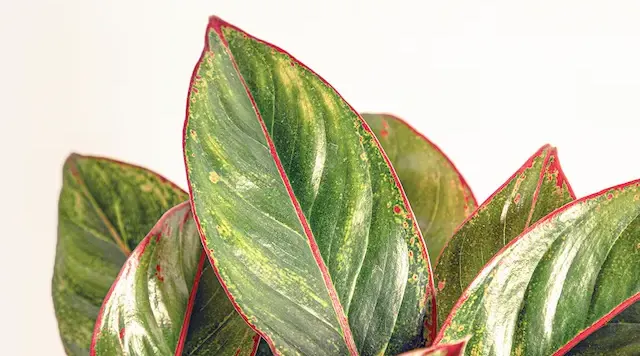
Altissima, commonly known as the tall fig tree, is a stunning and large tree species that can grow up to 100 feet tall in its natural habitat. As a houseplant, it is prized for its beautiful variegated foliage, with its vibrant shades of green and yellow.
Use a well-draining potting mix formulated for indoor plants. Ficus altissima is not fussy about soil, but will enjoy a balanced, water-soluble fertilizer applied every 4 to 6 weeks during the growing season.
How often should I water my Ficus Altissima?
This plant prefers its soil to dry a little between two waterings. Water the plant thoroughly, allow the excess to drain, and then wait until it dries out an inch or two above the soil before watering again. Care and propagation of the plant Adjust the frequency of watering according to the conditions of the house and the needs of the plant.
Light requirements of Ficus Altissima
Altissima grows in bright and indirect light. Place it near an east-facing window or a few feet back from a south-facing window to provide optimal light conditions. Avoid direct sunlight, as it can burn the leaves.
How much will it grow?
Ficus Altissima grows relatively fast and in the right conditions it can quickly increase its height and width. This plant grows the most during the growing season (spring and summer).
Height: Ficus altissima can reach a height of 1.8 to 3 meters (6 to 10 feet) indoors. In suitable external conditions, this plant can grow even taller and reach higher heights.
Width: This plant usually reaches a width of 0.9 to 1.5 meters (3 to 5 feet), but this can also depend on the conditions of maintenance and growing environment.
Temperature and humidity
This plant prefers temperatures between 65°F and 75°F (18°C to 24°C). Avoid drafts and sudden temperature changes, which can cause leaf loss.
Altissima likes higher humidity levels, around 50% or more. You can increase humidity by using a humidifier, placing the plant on a gravel tray with water, or grouping it with other plants.
Troubleshooting common problems with Ficus Altissima
Moving: Do not move the plant frequently, as this may cause shock and drop the leaves.
Pests and diseases: Be careful that pests such as spider mites, aphids and weevils do not attack the plant. If you see pests, wash the leaves with mild soapy water or use appropriate insecticides.
Sudden environmental changes: avoid sudden changes in temperature and light, because the plant may be sensitive to these changes and get stressed.
Changing the pot: When the plant gets bigger and the current pot does not have enough room to grow, move it to a bigger pot. This allows the roots to grow properly and the plant to grow better.
Cleaning the leaves: As the new leaves are growing, remove the old and dry leaves from the plant to make it a more beautiful specimen and also to prevent the occurrence of diseases and pests.
Ventilation: If the plant is located in a closed place without ventilation, it increases the possibility of problems such as fungal growth in the soil and the increase of pests. Therefore, it is emphasized that the environment around the plant is well ventilated.
Duration of irrigation: in winter, Reduce the watering time because the plant needs less water in this season and the soil should be dry before each watering. In spring and summer, you can increase the frequency of watering.
Adjusting the location: If the leaves of the plant are severely damaged by direct sunlight, they may show burns or dryness. If the leaves are unusually pale, they are probably burnt and need to be replaced.
Propagation Methods: Ficus altissima can be propagated by seed propagation, leaf cuttings, or layering. Follow the correct environmental conditions and practices for successful propagation.
Clean the leaves: Clean the old and dry leaves of the plant periodically to allow new leaves to grow and prevent dust from accumulating on the leaves.
Feeding: During the active growing season, you can feed the plant with fertilizer for ornamental plants. Many ways of feeding are used, including the application of soluble fertilizers or granular fertilizers. In any case, be careful to provide the correct nutritional amounts to the plant.