
About Ficus Cyathistipula
Pula, commonly known as the African fig tree, is a stunning species of fig native to tropical Africa. It is a popular choice for indoor gardening because of its lush, glossy foliage and unique appearance.
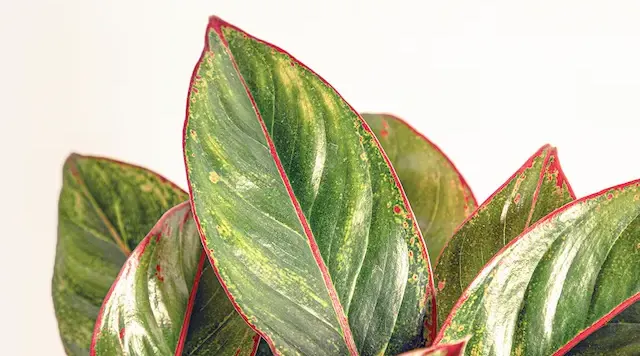
The African fig tree can grow into a small tree or a bushy shrub that reaches up to 5 meters in height. Its leaves are large, oval and dark green in color with a shiny luster that adds to their beauty. When mature, the plant produces small, inedible red figs.
How often should I water my Ficus Cyathistipula?
Ficus Cyathistipula summer, water when the top 2 inches of soil is dry, and reduce watering to every 12-15 days in the winter. Make sure the pot has proper drainage holes to prevent root rot. .
Light requirements of Ficus Cyathistipula
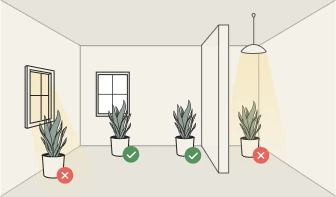
This plant grows in bright and indirect sunlight, but can tolerate some shade. Avoid direct sunlight as it may burn the leaves. Windows facing east or west are ideal places for exposure to light
How much will it grow?
Height: Ficus melani can reach a height of 1 to 2 meters (3 to 6 feet) in the right conditions.
Width: 0.5 to 1 meter (1.5 to 3 feet).
Temperature and humidity
Ficus Pula does best in temperatures between 60 and 85 degrees Fahrenheit (15 and 29 degrees Celsius). It has been proven to protect it from cold winds and heating vents that can cause leaf drop.
Ficus Cyathistipula have higher humidity but can adapt to average humidity in the house. Misting the leaves or using a tray of pebbles can help increase humidity.
Troubleshooting common problems with Ficus Cyathistipula
Ficus Cyathistipula is a beautiful and popular plant, but like any plant, it can have problems. Below are common problems that can occur with ficus pula and solutions for them:
- Yellowed or fallen leaves:
- Cause: Usually caused by improper watering (too much or too little), improper light, or dry soil.
- Solution: Make sure that the soil is always moist but not wet, provide adequate light (indirect and medium light), use soil with good drainage properties, and remove weeds from the environment.
- Root rot:
- Cause: excessive watering, wet soil, inappropriate light or humid environment causes the roots to rot.
- Solution: Reduce watering, make sure the soil is well-drained, place the plant in a well-lit area, and use perlite or special soils to prevent excessive moisture.
- Plucked or rotten leaves:
- Cause: This problem is usually caused by dry air, lack of proper watering, too much light, or fungal diseases.
- Solution: Make sure the air has enough moisture, the soil is always moist, use the right light for the plant, and if there are fungal diseases, use treatments such as using specific fungicides.
- Density and overloading of leaves:
- Cause: This problem may be caused by improper pruning. Lack of light, or lack of space.
- Solution: Prune dry and damaged leaves, make sure the plant is in a well-lit area, and if it doesn’t have enough room to grow and spread, move the plant to a larger pot.
- Pests and diseases:
- Cause: Ficus Cyathistipula may be attacked by pests such as whiteflies, shrimp, powdery whiteflies and diseases such as root rot.
- Solution: To prevent pests, use regular washing of leaves and use of special fungicides. To deal with fungal diseases, use regular watering and environmental humidity control, and use fungicides if necessary.

