

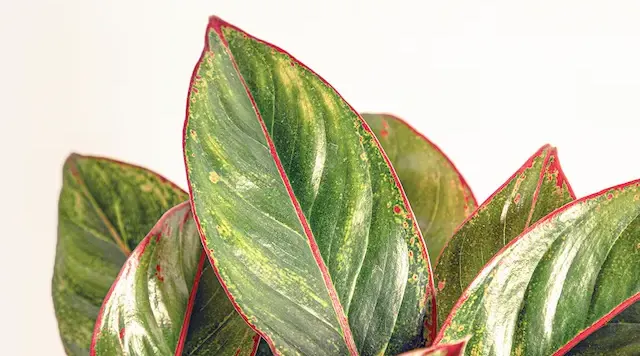

Ficus elastica ‘Tineke’, also known as ficus elastica or rubber ficus, is one of the popular types of houseplants that attracts a lot of attention due to its large and beautiful leaves with cream and green margins. This plant not only adds to the beauty of the interior of your home or workplace, but because of its ease of maintenance, it is a very suitable choice for those who like indoor plants. In the following, I will fully explain the characteristics, growth conditions and important points about Ficus Tinke.
A soil with good drainage and rich in organic matter is suitable for Ficus Tinke. You can use a mixture of potting soil with perlite or gravel to improve drainage. Ready soil for houseplants are also suitable options.
During the growing season (spring and summer), you can use a balanced liquid fertilizer once every two weeks. Reduce fertilization in autumn and winter
This plant needs regular watering. The soil should be moist, but you should not let the plant drown in water. It is better to water when the soil surface is dry. Reduce watering in winter.

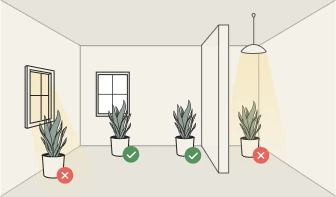
Ficus tinke needs a lot of light, but it should not be exposed to direct sunlight. Bright and indirect light is the best lighting conditions for this plant. If the plant does not get enough light, the colors of its leaves will be pale and unclear.

Leaves: Ficus tinke leaves are large, oval and shiny. The edges of the leaf are cream or white and the center of the leaf is dark green. This attractive color combination makes Ficus Tinke one of the most beautiful Ficus species.
Height: This plant can reach a height of 1 to 2 meters (3 to 6 feet) indoors. Under the right conditions, ficus tinke can grow even taller.
Width: Ficus tinke typically grows to a width of 0.5 to 1 meter (1.5 to 3 feet).

The ideal temperature for this plant is between 18 and 24 degrees Celsius (65 and 75 degrees Fahrenheit). This plant cannot tolerate temperatures below 10°C (50°F).
Ficus tinke needs moderate humidity. If the air is dry, you can spray the plant leaves with water or use a humidifier.

