
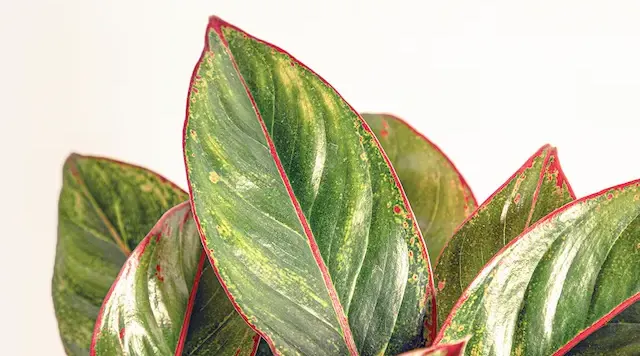

Philodendron Birkin is one of the popular ornamental plants of the Araceae family, known for its unique and attractive leaves. This plant has dark green leaves with white or cream stripes that become darker over time. Philodendron Birkin originally comes from tropical South America.

With easyplant, watering your African violets is simple. Be sure to check the easyplant tank once a month and fill it up if it’s empty, and you’re all set! Without an Easyplant pot, it’s important to be careful when watering your African violets to avoid over- or under-watering them. This type of plant prefers moist soil, so be sure to let the soil dry out a little between waterings. Year-round consistency is key, but keep in mind that you may need to reduce watering frequency slightly during the winter months as the soil takes longer to dry out.

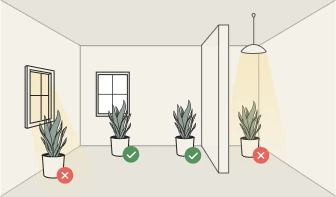
Philodendron Birkin thrives in bright, indirect sunlight. It is best to place it near a window facing east or west, where it can receive enough light without being exposed to direct and intense sunlight.

Height: Philodendron Birkin can reach a height of 50 to 100 cm in the right conditions.
Width: This plant usually reaches a width of about 30 to 60 cm.
Growth rate: Philodendron Birkin is typically medium growing. If the right environmental conditions are provided, it can grow relatively fast.

Philodendron Birkin prefers moderate indoor temperatures between 65°F and 80°F (18°C and 27°C).
Like most philodendrons, Birkin enjoys higher humidity. If the air is too dry, the tips of the leaves may turn brown.

