

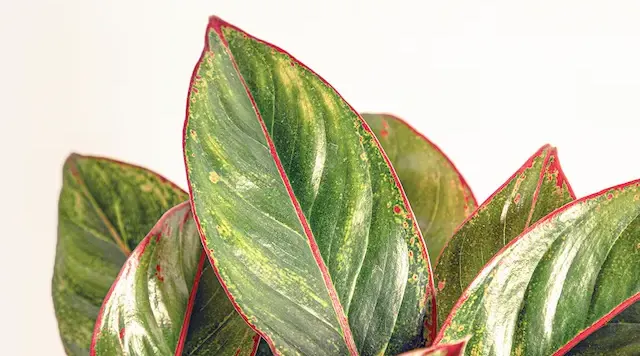

Bananas are among the most consumed fruits in the world, which provide essential nutrients and energy for millions of people. They are cultivated in tropical and subtropical regions around the world, with major production centers in Asia, Africa, and Latin America. Apart from nutritional value, various species have been studied for their potential medicinal properties such as antioxidant and anti-inflammatory activities. In addition, banana fibers have been investigated for various industrial applications including textiles and composites.
Bananas are heavy feeders and benefit from regular fertilization. Apply a balanced fertilizer such as a 10-10-10 or 12-12-12 formula every two to three months during the growing season. You can also supplement with compost or manure.
Remove dead or damaged leaves and stems to maintain the appearance of the plant and promote new growth. After harvesting the banana bunch, cut the entire stem to the ground to encourage new growth
The Musa genus belongs to the Musaceae family and is divided into several sections based on genetic and morphological characteristics. Some of the best known and most important commercial species in this genus are: From:

Banana plants need soil that is constantly moist, but not waterlogged. Water them thoroughly and let the soil dry out a little between waterings. They also appreciate high humidity, so mist the leaves or use a gravel tray.

Musa Spp prefers bright, indirect sunlight. Too much direct sunlight can burn their leaves, especially for variegated species. Aim for at least 6 hours of bright, filtered light per day.


Height: Depending on the species and growing conditions, banana plants can grow from 2 to 9 meters (6.5 to 30 feet). Some species such as dwarf bananas (Musa ‘Dwarf Cavendish’) grow to around 2-3m, while taller species can reach 6-9m.
Width: These plants can spread up to 3 meters or more in width.
Growth speed: banana plants are fast growing and under the right conditions they can reach maturity and produce fruit within 9 to 12 months.

Musa spp thrives in warm temperatures, from 75°F to 95°F (24°C to 35°C). Avoid placing them below 50°F (10°C), as this can damage the plant.
Banana plants grow best in fertile, well-drained soil with a pH range of 5.5 to 7.0. They need consistent moisture, so water them deeply and regularly, especially during hot, dry periods. Mulching around the base of the plant can help retain moisture.

