

Alocasia Macrorrhiza, also known as giant taro or elephant ear, is an impressive tropical plant that requires special care to grow. Alocasia macrorhiza is a striking tropical plant that can make a striking appearance in any garden or indoor setting. It needs proper care to grow, including sufficient sunlight, watering and soil with proper drainage.
Alocasia macrorhiza grows very well in a well-drained, nutrient-rich potting mix. A mixture of peat moss, perlite and compost works well. Fertilize with a balanced liquid fertilizer every 2-3 months during the growing season.

This plant likes moisture and should be watered regularly and let the soil dry a little between two waterings. To prevent root rot, keep the soil consistently moist and well-drained. Consider using a humidity tray or misting the leaves to increase humidity levels.

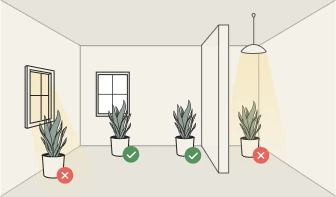
Light requirements Alocasia macrorhiza prefers bright and indirect sunlight. Direct sunlight can burn its leaves, so it is better to place it near a window facing east or west. If you place the pot outdoors, create partial shade for better plant growth.

Height: Alocasia macrorhiza can reach a height of 1.8 to 3 meters (6 to 10 feet) in the right conditions.
Width: This plant usually reaches a width of 1.2 to 1.8 meters (4 to 6 feet).

This plant tolerates warm temperatures between 65°F to 85°F (18 to 29°C).
It likes humidity above 50%. Avoid cold winds and sudden changes in temperature because it seriously damages the plant.

