
About Alocasia Zebrina
Alocasia zebrina is a striking houseplant known for its unique striped stems and large, arrowhead leaves. It is a tropical plant native to Southeast Asia and belongs to the Araceae family. Due to its attractive foliage, this plant is a popular choice for adding a whimsical feel to indoor spaces.
Use a well-draining potting mix or a mixture of peat moss, perlite and orchid bark. Fertilize every two weeks during the growing season (spring to early fall) with a balanced liquid fertilizer.
How often should I water my Alocasia Zebrina?
This plant prefers soil that is always moist but with good drainage. When an inch or two of soil is dry, water it thoroughly, making sure excess moisture can drain through the drainage holes. Avoid allowing the soil to dry out completely, as this can cause leaf drop.
Light requirements of Alocasia Alocasia Zebrina
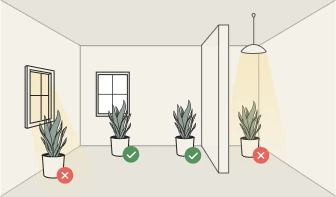
Alocasia zebrina grows in bright and indirect light. Avoid direct sunlight, as it can burn the leaves. Windows facing east or west are ideal places for this plant. How to grow and care for Alocasia Zebrina. In low light conditions, the plant may lose its vibrant color.
How much will it grow?
Height: Alocasia zebrina can reach a height of 60 to 90 cm (2 to 3 feet) in the right conditions.
Width: This plant usually reaches a width of 45 to 60 cm (1.5 to 2 feet).
Growth speed: Alocasia zebrina grows relatively fast and under optimal conditions can grow rapidly during the growing season (spring and summer).
Temperature and humidity
Alocasia zebrina loves warm temperatures, ideally between 64°F and 77°F (18°C and 25°C).
It also enjoys high humidity levels. So consider using a pebble tray or humidifier to increase the humidity.
Troubleshooting common problems with Alocasia Zebrina
- Dry leaves: This problem may be due to insufficient light or improper watering. Make sure the plant is in a well-lit place and water it sufficiently.
- Root rot: This problem may occur due to excessive watering and soil that does not drain well. Make sure the soil has good drainage and control the watering.
- Preventing leaf rot: Preventing water from falling at the bottom of the pot by using nearby shaders or absorbing tables can help prevent leaf rot.
- Pest control: To prevent pests such as white mosquitoes and ants, you can use chemical methods such as pest sprays, but it is better to first use natural methods such as washing with water and dishwashing liquid or using organic methods such as water and vinegar mixtures or Use different amounts of water and dishwashing liquid.
- Disease control: Diseases such as root rot can cause serious damage to Alocasia zebrina. To prevent them, make sure that the soil has good drainage and also the growing areas in time Remove dead roots.
- Nutrition: In order to maintain the healthy growth of the plant, use liquid fertilizer for indoor plants once a month during the active growth season (between spring and autumn). These fertilizers provide plants with the necessary nutrients and strengthen their growth.
- Potting up: When the plant gets bigger and its roots seem to fill the pot, you can move it to a bigger pot. Make sure the new pot has enough drainage holes and the right soil for it to grow.
- Suitable location: For Alocasia zebrina, choose a location with adequate light but avoid direct sunlight. Also, avoid temperature changes and strong air flow.
- Air circulation: To keep the plant healthy, make sure that air is constantly circulating around the plant. You can use fans or artificial ventilation.
- Regulating the roots: To prevent excessive growth of the roots, you can take the plant out of the pot every few months, cut the old and overgrown roots and put it in a pot with fresh soil.

